Regional Indian Cooking in London: A Guide by State, Not by Curry
Indian food is a set of regional cuisines, not one sauce. Here is how to eat by state in London, from Goan xacuti to Bengali bortha.
The word "curry" does a lot of unfair work on London menus. India's states cook in different languages, with different fats, souring agents and ideas about what belongs in a pot. Ordering by region gets you much closer to what a kitchen actually does well. This is a short map of five of them, with places to try each.
Goan: Portuguese echoes, coconut and vinegar
Goan cooking carries both Indian and Portuguese influence, and leans on seafood, coconut and toddy vinegar. That vinegar gives the sharp, tangy edge that separates a Goan pork dish from almost anything else on a British Indian menu.
Casa de Goa, Hounslow. Time Out ranks it in its current list of the best Indian and South Asian restaurants in London, rates it 4/5 and describes it as one of several Goan businesses around Hounslow Central. The dishes to know are pork aad mass, a sweet and tangy curry of pork on the bone, and chicken xacuti, built on white poppy seed, star anise and grated coconut. Yelp reviewers praise the prices and the Goan atmosphere.
Palms of Goa, Charlotte Street, Fitzrovia. A Tripadvisor reviewer describes it as a constant on Charlotte Street for 30 years, and reviews single out the lamb xacuti. It sits in Yelp's middle price band, two pound signs. One reviewer who knows Goan food found fewer strictly Goan dishes than hoped, so order the xacuti and the dishes you cannot get elsewhere rather than the standards.
Keralan and the south: curry leaves, coconut oil, heat
The south is a cluster of states, and London's best-known restaurants tend to cook across several of them rather than one. That is useful to know before you go looking for a pure Keralan menu.
Kricket, Soho. The Michelin Guide lists it as a Bib Gourmand in the 2026 UK guide. Soho, at 12 Denman Street, was its first permanent site, and there are now four London branches. Michelin says the menu leans towards India's southern states, with Goan sausage croquettes, Keralan fried chicken with curry-leaf mayo and Karnatakan pork neck among the highlights. This is modern Anglo-Indian cooking, not a regional canon, and The Nudge notes that the menu at its Canary Wharf branch is designed for sharing.
Hoppers, Soho and King's Cross. Strictly speaking this is Sri Lankan appam, the bowl-shaped hopper, with South Indian street food alongside. It is a good gateway to the south all the same. Balance Journal puts a meal at roughly £25 to £40 a head and says the Soho restaurant at 49 Frith Street is walk-in only, so check the policy before you go. The World's 50 Best Discovery listing calls it a tiny, perennially packed casual restaurant from the team behind Gymkhana and Trishna.
Bengali: fish, mashes and a border that matters
Bengal is split between West Bengal in India and Bangladesh, and the food of the two differs. Much of London's Bengali eating is Bangladeshi home cooking, which is a different thing from Kolkata's kitchens. Neither is the same as the British Indian standards. The signs of the real thing are river fish, bortha (savoury mashes) and parathas.
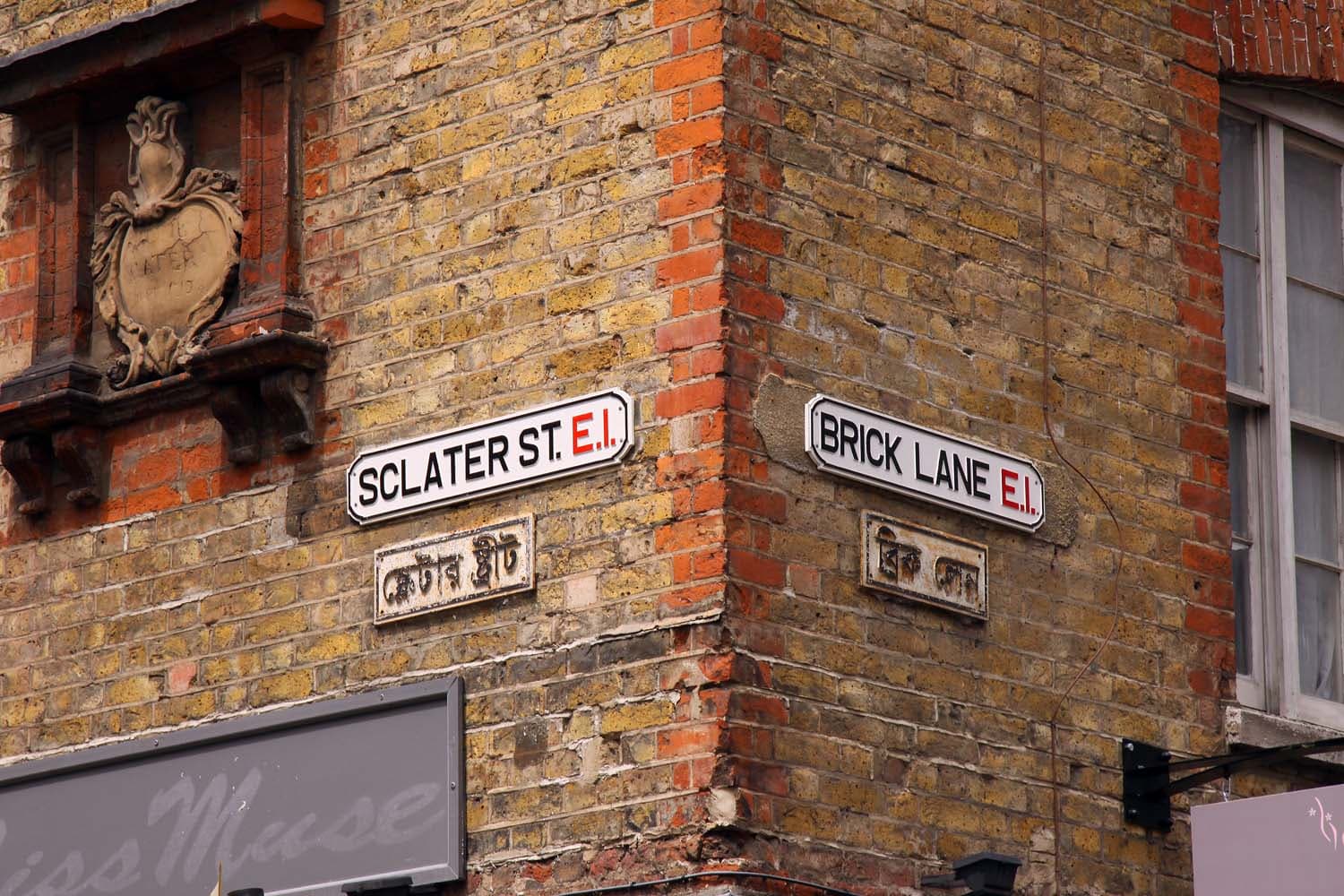
Graam Bangla, Brick Lane. A Tripadvisor reviewer praises it for real Bengali dishes rather than predictable British Indian ones, and mentions the fish, the bortha and the parathas. The listing shows vegetarian, vegan and halal options, and Yelp puts it in its lowest price band.
Kolapata, Whitechapel. Tripadvisor reviewers call it Bangladeshi and Bengali, and Yelp places it in the middle price band. It is a useful second stop if you want to compare notes with Brick Lane.
Gujarati: sweet, sour and gently spiced
Gujarati cooking is built on a flavour base of coriander and cumin, mustard seed, asafoetida, jaggery, tamarind, yoghurt and coconut. The sweet and sour balance surprises anyone expecting heavy, tomato-rich gravies, and much of the food is vegetarian. It is also snack food: pani puri and Gujarati snacks turn up in Soho, according to Broadsheet. For fuller Gujarati meals, Broadsheet points to Wembley, Tooting and East Ham as areas with large South Asian communities, and those are the neighbourhoods to search first.
Punjabi: the cooking you already know
Punjabi cooking is the repertoire most British menus borrow from, and Broadsheet says Soho offers Punjabi classics. As with Gujarati food, the best results usually come from areas with large South Asian communities, so the same neighbourhoods are worth exploring when you want the dishes in their home setting rather than a restaurant's greatest hits.
How to eat by state
- Read the menu for the souring agent. Toddy vinegar suggests Goa, tamarind and curry leaf suggest the south, jaggery and yoghurt suggest Gujarat.
- Ask what the kitchen is proudest of. At regional places the answer is rarely the dish with the most familiar name.
- Check before you go. Opening hours, booking policies and prices change, and several of these restaurants have more than one branch.
Start with one state per outing and let the menu teach you the differences. Within a few meals, "curry" stops being a useful word.