Why London pubs still host the last round: a short history of the wake
From beer cellars used as mortuaries to a Peckham pub that opens its doors free to the grieving, the pub has long been where Britain says goodbye.
When a landlord dies, a pub can fill past its own doorways. According to Pellicle, that is what happened this summer at The Roebuck in SE1, where mourners spilled onto the pavement for the wake of landlord Michael Robinson. He and his Parched co-owners had called the Victorian pub theirs since 2003.
It is a very London scene, and a very old one. Pellicle's piece on wakes and pubs traces how the public house became the place we go to say goodbye.
When the pub was the mortuary
Death and pubs have long kept company. Pellicle points to the hangings of prisoners on the shore outside Wapping's Prospect of Whitby in the 1600s as one of the grimmer chapters.
The link was also written into law. The Coroners Act of 1846 decreed that dead bodies were to be taken to the nearest public house and stored until an inquest could be held or a funeral arranged. It arrived at a devastating time in Ireland, during the Great Hunger, and when mortuaries were overwhelmed, a pub's cooling beer cellar was the next best thing.
In England, according to the St Albans Civic Society (as cited by Pellicle), some of the last recorded cases of pubs serving as temporary homes for the dead date to the early 1900s. The Licensing Act of 1902 stipulated that no pub was to be used that way after 31 March 1907 where other suitable premises were available. A change to the Coroners Act in 1962 officially relieved many pubs of morgue duties.
From the front room to the bar
Cliona Purcell, head of curation at Waterford Treasures, which counts the Irish Wake Museum among its attractions, told Pellicle that the pub's role grew as people moved into cities. Tenement living left little room to host mourners at home, so pubs became a centre of community and a natural place to hold a wake.
Some pubs even doubled as undertakers. Pellicle names McCarthy's Pub, Restaurant & Undertaker in Fethard, Tipperary, run by fifth-generation owner Vincent "Jasper" McCarthy, as the most famous survivor.
Why people still choose the local
Location matters: a pub near a place of worship or crematorium often ends up hosting the congregation afterwards. But the choice is usually personal. Pellicle's writer describes a friend's father being seen off at The Hand in Hand, just off Wimbledon Common, a pub he treated as his canteen.
Sara Jane Eichler, who spent 35 years managing London pubs including Islington's Hope & Anchor and Clerkenwell's The Three Kings, told the magazine of the honour on the other side of the bar. Hosting a regular's wake meant meeting the family and friends she had heard about for years. In her words, "The walls of pubs hold so many important memories, it can sometimes feel like the departed are still there."
She is also candid that it is not always gentle. She recalls a wake in the mid 1980s that ended in a brawl, with men in ill-fitting suits throwing furniture.
The Prince of Peckham's approach
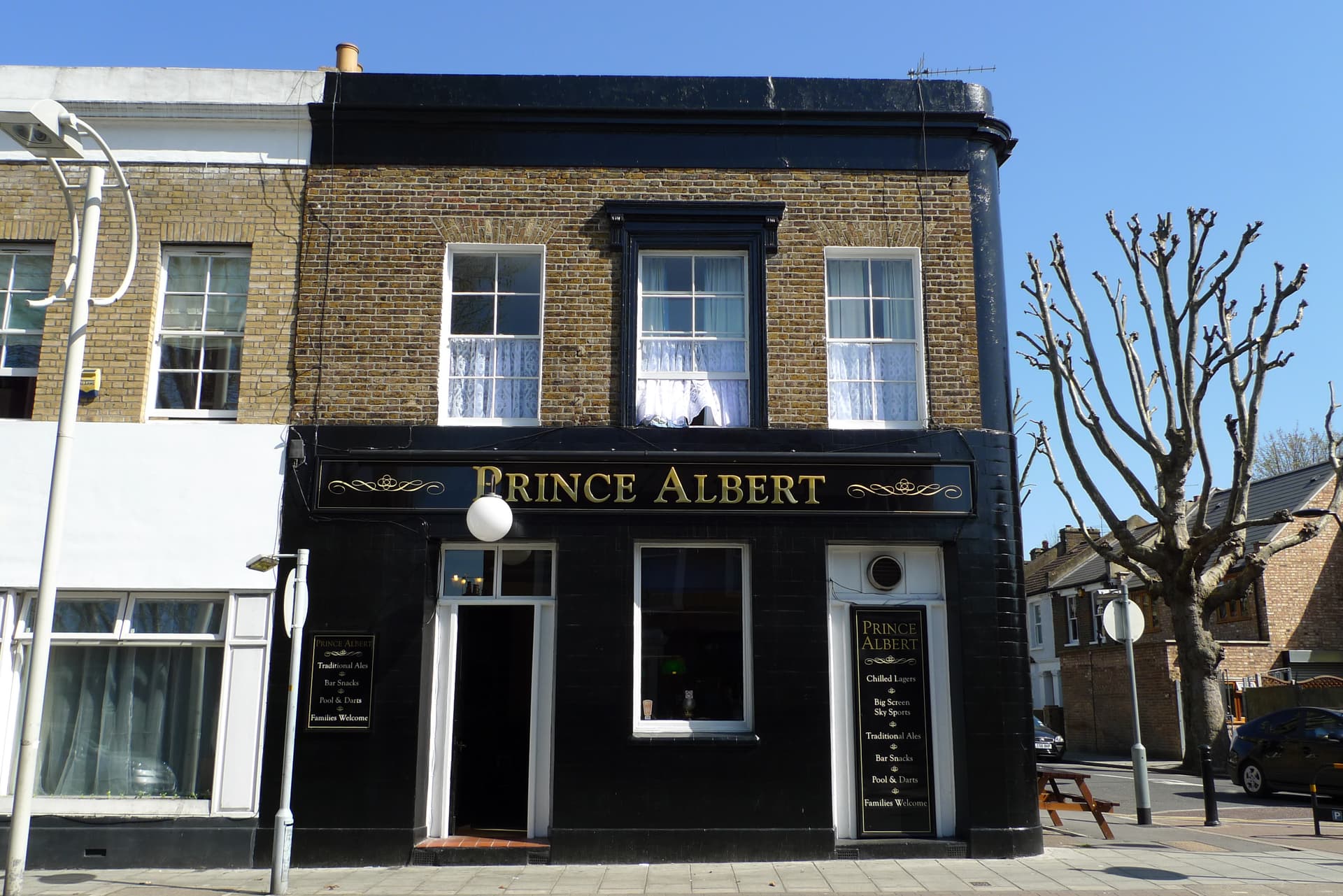
One London pub has made wakes part of its mission. Pellicle reports that the Prince of Peckham, run by Clement Ogbonnaya MBE, offers its spaces free of charge to people who are grieving.
Head of bookings and promotions Beth Kulawy told the magazine: "Because we are so in tune with our community, we really make sure everything is accessible." That means Nigerian Guinness and red snapper if families want them. The team also learns about customs such as Nine Night in certain Caribbean cultures, which shapes how they talk to families.
What is on the table
Food is part of the ritual everywhere. Pellicle notes Irish wakes with finger sandwiches and funeral soup, Scottish funeral teas of sandwiches, sausage rolls, shortbread and scones, and Welsh spreads that might include cawl, bara brith and Welsh cakes.
The tradition is also adapting. Pellicle notes that living funerals, held by people who are terminally ill, are becoming more popular, and that The Red Lion in Meliden, Wales, recently reopened with the service as an option.
Sources: Pellicle